Pain rarely behaves. It flares in a triage bay throughout a chaotic night change, sticks around in a post-op ward when the spine subsides early, and stubbornly darkness rehab individuals after a knee substitute. Proficient discomfort management is not a deluxe, it is a core clinical competency. The PUAEME008 Give Discomfort Administration unit was developed exactly for those minutes that demand positive, prompt action. For clinicians that need useful, evidence-based methods without stopping their job for a complete postgraduate path, this short training course provides a fast track that still respects medical complexity.
I have actually shown and monitored clinicians via PUAEME008 throughout emergency situation divisions, private facilities, and onsite workplace wellness programs. The best results come when individuals expect greater than a checkbox certificate. They come for a functioning tool kit they can unravel the next day, under real-world pressure. That practical prejudice runs through this guide.
What PUAEME008 actually covers
The PUAEME008 Provide Discomfort Administration unit rests within the public safety and emergency situation administration training structure, yet its material uses well past paramedicine. The core end results align with 4 capabilities:
- Rapid assessment of acute and procedural pain in grownups and, where relevant, teens and children. Selection and risk-free management of simple analgesics and inhaled analgesia, consisting of indications, application arrays, and contraindications. Non-pharmacological strategies that operate in real time, from positioning to trained breathing to diversion for children. Monitoring, documents, and acceleration requirements, including when to stop, when to observe, and when to call for innovative support.
A legitimate service provider will localise protocols to your territory. Entonox schedule, S8 medicine policies, and scope of technique differ across regions. In practical terms, that indicates you learn what you can actually do tomorrow under your own certificate, not an idealised protocol from someplace else.
Why short programs in pain administration issue on the floor
Long-form research study strengthens theory. Short training courses hurting administration develop what occurs between min one and min fifteen. That home window frequently figures out whether a client secures or spirals. I have actually enjoyed a tranquility, methodical application of PUAEME008 principles turn a hallway cot scene from screaming and tachycardia to a peaceful conversation in under 10 mins, with nothing greater than a breathed in analgesic, a change of placement, and a pulse oximeter that remained over 96 percent.
Short training courses provide three useful advantages. First, they produce a shared language across mixed groups. Second, they establish minimal standards for documents and review intervals, so no person is guessing. Third, they train muscular tissue memory for standard pharmacology in stressed out contexts where cognitive load is high.
Who gets the most from PUAEME008
Nurses, physiotherapists, first -responders, oral and small procedure clinicians, and occasion medics each take different lessons from the same unit.
For registered nurses, the clearness around titration and review decreases the back-and-forth with prescribers and lifts individual fulfillment in the initial hour of care. For physiotherapists, the non-drug methods and the framework of pain education are quickly beneficial throughout mobilisations and post-surgical rehabilitation sessions. For work environment emergency treatment policemans and sports paramedics, the device brings structure to scenes that or else depend on improvisated comfort actions. And for mixed-skill teams in remote or resource-limited settings, the methods set safe borders that keep provide pain management course people stable while transfer strategies unfold.
If you are scanning pain administration programs for nurses, examine whether the carrier explicitly maps the unit's treatments to your medication standing orders and digital document process. If you are filtering system pain administration training courses for physio therapists, validate that the course gives equal weight to pain management courses for physiotherapists non-pharmacological strategies, graded direct exposure, and communication.
What the learning in fact looks like
A well run PUAEME008 training course mixes pre-reading with a focused functional day. Anticipate an on-line guide covering pain physiology, that analgesic ladder context, threat testing for opioid sensitivity, and age-specific factors to consider. The workshop day after that relocates via scenario terminals: a shoulder misplacement on a netball court, kidney colic in triage, a youngster with a displaced forearm fracture, and a rib fracture person coughing after a neighborhood fall.
We drill 3 behaviors non-stop. First, capture a baseline that indicates something: a numerical score, detailed adjectives, and useful influence, not simply a single number. Second, select the least intricate treatment that will likely function, then reassess in a taken care of period. Third, file as if handover will certainly occur within the following twenty mins, due to the fact that it commonly does.
Medications at the heart of the unit
The medication checklist differs with local extent, but in the majority of programs the first-line pharmacology includes paracetamol, non-steroidal anti-inflammatory medicines, and inhaled nitrous oxide and oxygen blends. Some advanced extents include methoxyflurane, tramadol, or limited dental opioids under protocol. The focus gets on knowing signs, secure application ranges, start times, and the warnings that should quit you in your tracks.
Paracetamol remains the unsung hero. Given very early and dosed appropriately, it smooths the tops and improves the effect of accessories. NSAIDs bring anti-inflammatory activity but demand respect for kidney feature, gastritis history, and simultaneous anticoagulation. Breathed in analgesia provides fast onset with short duration, ideal for extrications and short treatments, but needs energetic tracking and mentoring on technique.
The device trains you to maintain a psychological grid, not a memorised script. Individual weight, comorbidities, existing drugs, approximated time to clear-cut treatment, and the demand for individual participation in treatments all sit on that grid. If the person had their maximum paracetamol dosage in the house an hour ago and is borderline dehydrated after throwing up, your following secure move could be non-pharmacological up until intravenous fluids or senior evaluation arrive.
Non-drug actions that really work
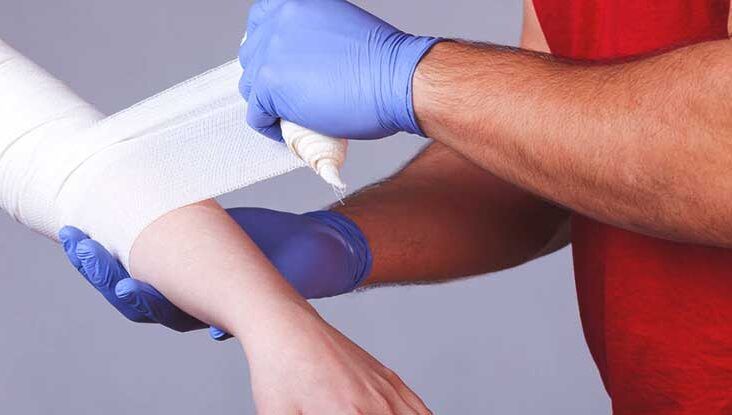
Non-pharmacological techniques obtain lip solution in many programs, after that disappear once the cannula tray appears. PUAEME008 pushes them right into the foreground. Positioning makes a visible distinction in rib injuries and renal colic. Directed breathing changes focus and sustains breathed in analgesia shipment. Ice and support bandaging minimize swelling and enhance tolerability for joint injuries. For youngsters, age-appropriate distraction and caretaker involvement can halve observable distress prior to any drug reaches plasma.
These measures are not decorative. They lower needed doses, which subsequently lowers negative effects threat, which after that preserves decision-making bandwidth for the following step in care.
Documentation that stands up in court and at handover
Charts tell stories. The PUAEME008 technique transforms those stories into timelines. Standard discomfort score, treatment, time, reassessment, and any kind of unfavorable effect, created so an additional medical professional can get the string quickly. I educate an easy pattern: tape the trouble in the individual's own words, document what you did and why, then tape-record what changed.
Good documentation additionally shields the patient. If an analgesic strategy is not working by the 2nd review point, that fact comes to be the trigger for acceleration, not a vague sense that things are drifting.
How the system connects into wider discomfort administration training
Short programs in pain management are often a beginning block. After PUAEME008, numerous clinicians try to find a certificate course suffering management that broadens right into relentless discomfort, multidisciplinary treatment, and psychosocial structures. There is no solitary national pathway that fits every person, yet two routes often tend to work:

- A pain management certificate or pain monitoring accreditation program delivered by a college or specialist university, spanning 3 to 6 months part-time, with components on neuropathic systems, result steps, and interdisciplinary instance conferences. Role-specific discomfort management training courses, commonly for registered nurses or physio therapists, that build skills like inspirational interviewing, graded task planning, and sleep hygiene coaching, paired with pharmacology refreshers.
The PUAEME008 provide pain administration device strengthens the severe and procedural edge of your technique. The longer certification programs develop the persistent and intricate edge. Several medical professionals benefit from both.
Assessment and expertise: what you are signing up for
Expect three types of evaluation: an understanding test that examines pharmacology and warnings, a useful analysis in simulated situations, and office evidence if your company can support it. The useful part matters most. You will be timed, observed, and asked to describe your selections while you monitor and guarantee the patient.

Competency is not excellence, it is consistent safety and security under stress. You have to show that you can withhold or stop analgesia when indications point to risk. That includes individuals with reduced mindful states, thought head injury, unstable vitals, or advancing sensitive responses.
The edge instances that divide beginners from professionals
Every experienced medical professional carries a mental catalogue of traps. A few issue usually adequate to highlight:
- The calm older adult with a hip fracture and a discomfort rating of 2 that will stagnate the leg. The reduced score does not match the feature. Treat the feature and safeguard the air passage throughout inhaled analgesia. The person with severe asthma background that reaches for inhaled analgesia. Understand the tool's driving gas, the needed oxygen portion, and when to like straightforward dental analgesia plus tranquil positioning while oxygen and bronchodilator strategies are set. The dehydrated patient with colicky pain and borderline renal feature. NSAIDs might not be your first action. Think about alternatives and push liquids if within scope. The anxious teenager with a misplacement that hyperventilates and states the medicine is not working. Technique, training, and environment might matter greater than dose in the initial 5 minutes. The individual who self-dosed at home with multiple representatives. When doubtful, reduce, inspect collective paracetamol over 1 day, and validate any unlabelled medicine they took.
These circumstances are gone over freely in good training courses, with area to debrief errors in a safe environment. The goal is not to memorize a lengthy checklist of exceptions, it is to build a frame of mind that notifications when the picture does not fit and picks the traditional, patient-centred response.
Tailoring for registered nurses and physiotherapists
When I run discomfort administration training for nurses, the strongest gains originate from tightening acceleration limits and simplifying communication with prescribers. A clear, succinct SBAR style pitch that consists of standard pain, practical influence, tried interventions, vitals, and a proposed following step reduces the moment to relief. Registered nurses likewise take advantage of practical manuscripts that establish assumptions with individuals and family members, specifically around onset times and reassessment.
For physio therapists, the side depends on incorporating analgesia with activity. Discomfort education and learning supplied during the initial assisted sit-to-stand has a different texture than a lecture handout. Straightforward wording aids: we will certainly aim for tolerable, not absolutely no. The course reframes pacing and graded exposure in the language of acute care. It likewise motivates cooperation with nursing associates to straighten analgesic timing with one of the most requiring flexibility goals.
Emergency discomfort management under real constraints
Emergency departments and field setups press time. The PUAEME008 provide pain monitoring system presumes disruptions, partial info, and contending top priorities. Below are three patterns that stand up:
Time box every action. If you give inhaled analgesia, set a two to three min reassessment assumption and interact it to the person. If you provide an oral representative, set a fifteen to half an hour home window and provide a diversion strategy in the gap.
Anchor to vitals. A pleasurable patient on breathed in analgesia can have creeping hypoventilation in a congested hall. Continuous pulse oximetry and a noticeable respiratory price count keep complacency at bay. If tracking is not available, lower your risk tolerance and lower dosage opportunities.
Plan your exit. Prior to you begin, recognize how you will certainly stop, hand over, or intensify. That consists of oxygen supply, extra mouthpieces, disposal treatments for scavenging demands, and a clear path for rapid elimination if damaging effects appear.
Choosing a credible service provider and preventing common pitfalls
Certification is just as solid as the training quality. Seek programs that release their medicine protocols, assessment standards, and instructor qualifications. Inquire about proportions for the functional day. Ten individuals to one instructor is convenient. A crowded room with a solitary facilitator does not provide the feedback you need.
Confirm recognition with your employer or pc registry. A pain monitoring certificate training course may look excellent, however if the system code or evaluation proof does not line up with your extent of practice, it ends up being a personal accomplishment rather than a credential you can deploy. If you are seeking discomfort administration qualification in a professional college framework, verify exactly how the short course maps to proceeding specialist growth points.
Beware of totally on-line versions that guarantee full proficiencies in a mid-day without any simulation. Concept components are valuable, yet this system requires hands-on exercise with devices and real-time decisions.
What transforms the day after the course
The test of any type of brief program is your following shift. Graduates typically report three prompt shifts. They start analgesia quicker due to the fact that the limit is clearer. They interact much more exactly regarding pain, moving past a single number to work and trajectory. And they feel much more comfy quiting an intervention that is not functioning and escalating early, instead of piling half-measures that cloud the picture.
Patients see. Peaceful, timely pain relief builds depend on. Depend on makes treatments simpler. Simpler treatments decrease risks. The responses loophole is easy, and it starts with skilled basics.
The legal and ethical frame
Pain monitoring sits at the crossway of task of treatment and task of safety and security. The device covers consent, consisting of implied authorization in emergencies, and documentation that supports educated choices. It likewise attends to medication stewardship. Brief courses suffering management do not turn medical professionals right into prescribers of powerful medications, nor need to they. They reinforce respect for protocols and responsible use, with an eye on community-level risks.
Privacy matters also. Discomfort stories carry individual histories. Chart what is medically pertinent. Keep sensitive information in ideal sections of the record, and avoid hallway discussions that develop into lore. Principles here is often about small habits exercised daily.
Building a neighborhood pain method after certification
Teams obtain one of the most from PUAEME008 when they embed it. That suggests a laminated one-page method at factor of treatment, stocked and inspected tools, and a simple audit loop. Track three numbers for a month: time to first analgesia for modest to extreme discomfort, portion of people with recorded reassessment within the expected window, and price of documented adverse effects. Enhancement commonly turns up in week two.
Consider a quarterly ability refresher. 5 individuals, 5 case notes, 10 mins of debrief. Rotate obligation amongst staff. Peer evaluation maintains the web content active and surface areas tiny system obstacles, like an empty cyndrical tube rack or a neglected mouthpiece order.
How this matches a much longer job suffering care
Not everyone selects a specialized hurting. Yet virtually every medical professional gain from structured discomfort management training. If the topic captures hold, the next actions can include sophisticated pain monitoring certification, signing up with interdisciplinary pain clinics, or leading education and learning initiatives in your division. The ladder is not linear. Most of the very best educators started with a single short unit, utilized it well, and gradually constructed a profile around the outcomes they cared about.
The smartest jobs balance breadth with depth. PUAEME008 offers you breadth across immediate contexts. A longer certification course suffering management gives you depth with facility, persistent pain. Together, they make you a medical professional people bear in mind for the appropriate reasons.
Final thought
Pain is personal, unpleasant, and typically political within health care systems that incentivise throughput. A functional, firmly delivered supply pain administration program like PUAEME008 furnishes you to act where you stand. It will certainly not resolve every dilemma, however it will certainly provide you a reliable first feedback, grounded in safety and security, compassion, and evidence. If you are considering discomfort management training alternatives, select the one that places you at a bedside with a patient, a timer operating, and an advisor at your elbow joint. That is how the skill sticks, and that is exactly how it turns up when it matters.